Hair Loss Conditions in Females
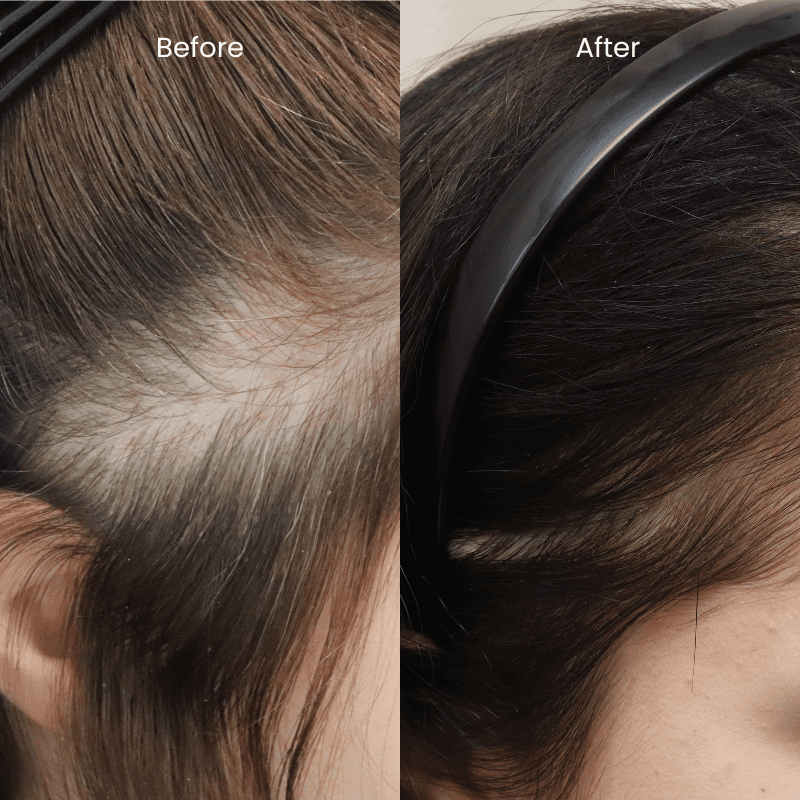
Many hair loss conditions can affect females and can benefit from hair transplant. There are clinical scenarios where hair transplant can benefit female hair loss:
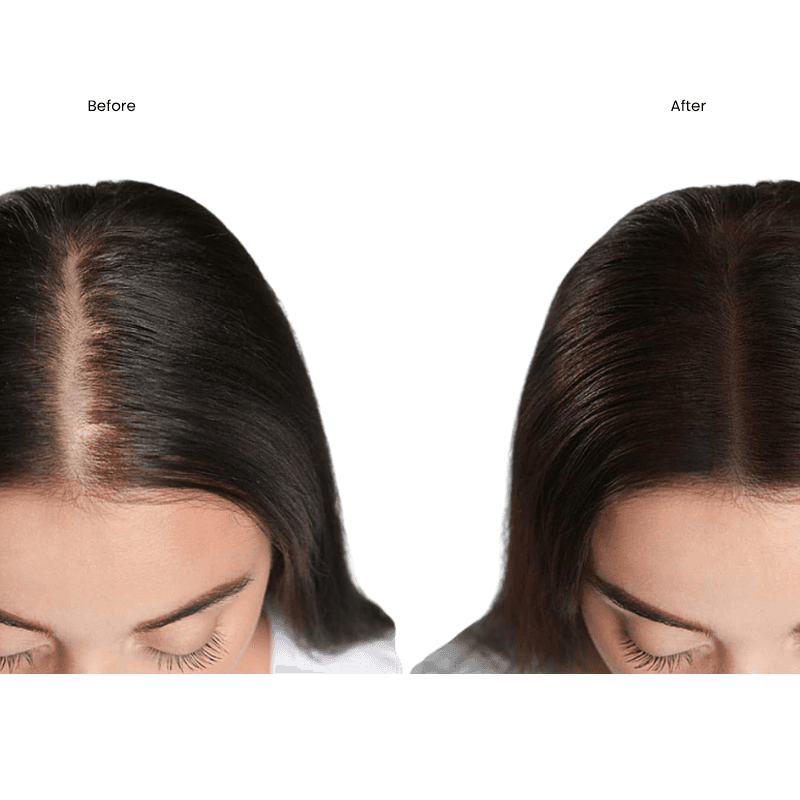
Female pattern hair loss - Where it needs medical treatment to prevent further progress, as well as to help increase hair density. But some areas of hair loss not responding well enough to medical treatment can be improved with hair transplant, while continuing medical treatment before and after the procedure.
Frontal fibrosing alopecia (FFA) - This is a condition more common in females than males. Here, the frontal hairline is receded due to inflammation underneath the skin. Once the process of hairline recession is stable, the bald areas in the front can benefit from a hair transplant. This also needs ongoing medical treatment before and after the procedure to help prevent further progression of FFA.
Cicatricial alopecia - Patchy hair loss is due to cicatricial alopecia (once the inflammation is stabilised).
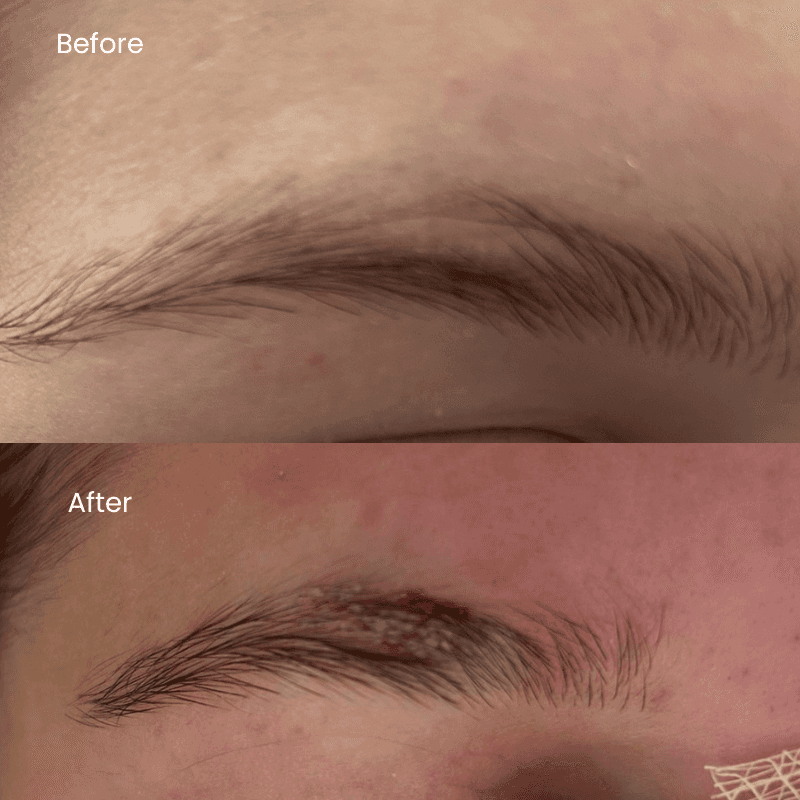
Eyebrow transplant
Traumatic
Hair Transplant Techniques in Females
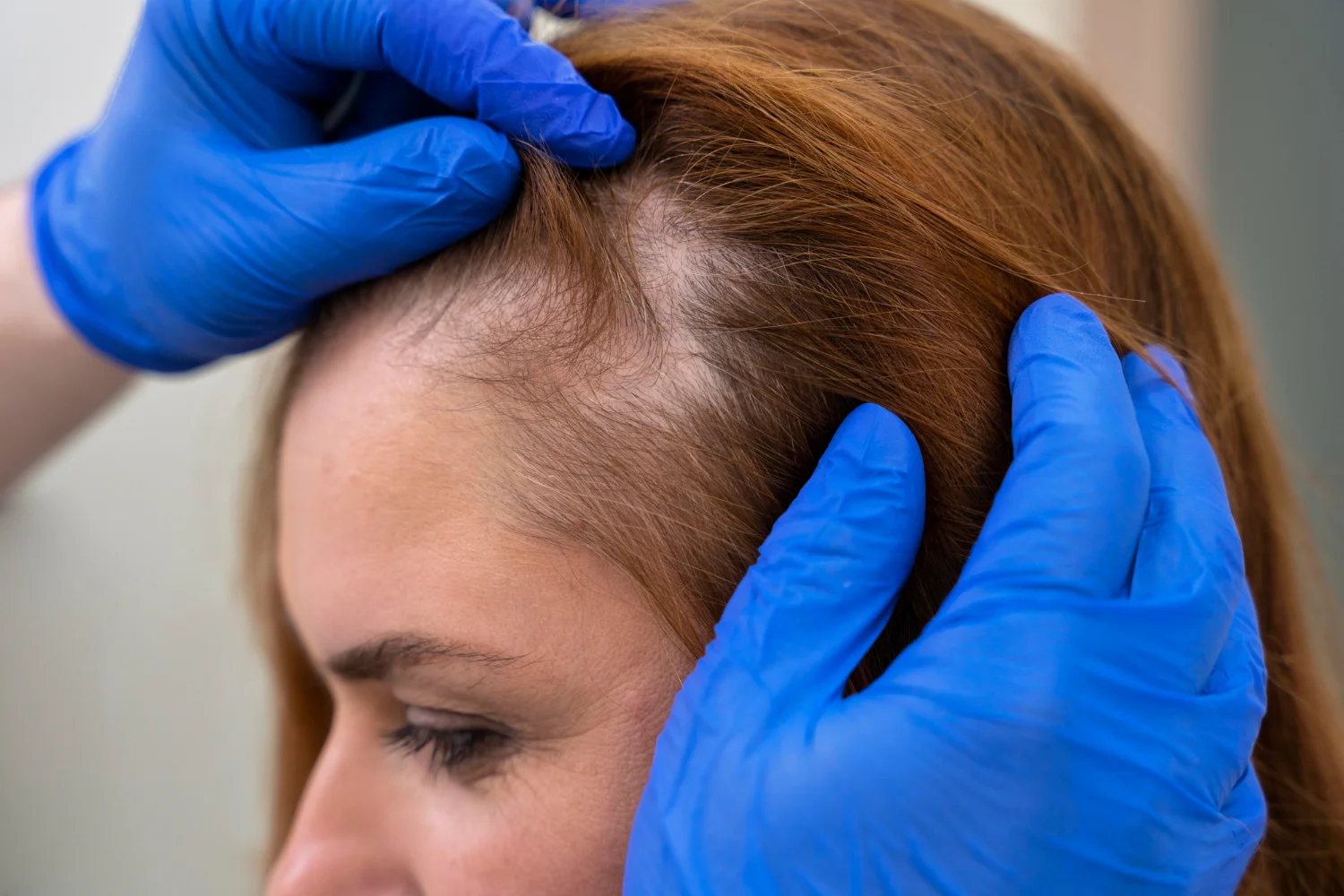
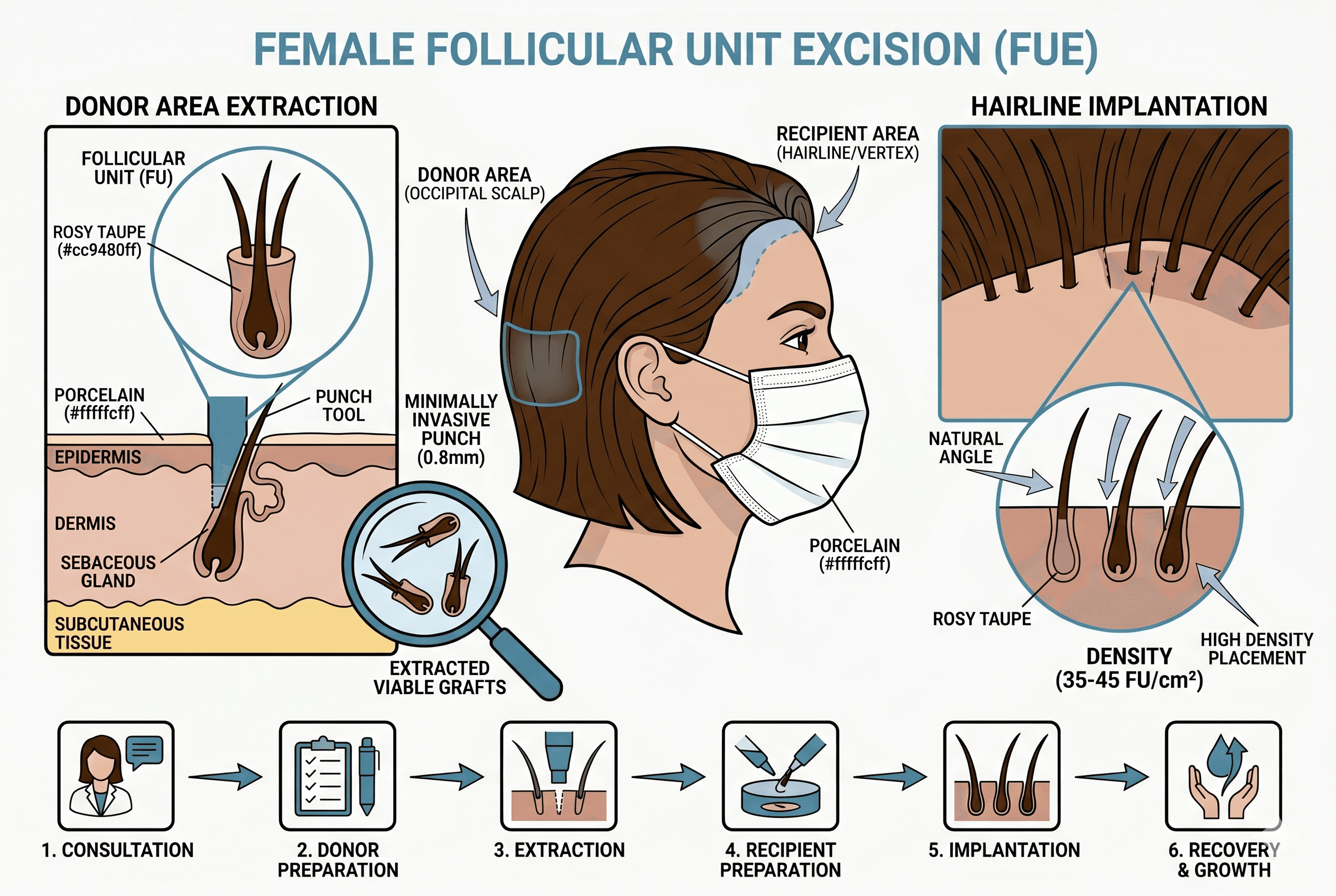
The science of hair transplant in females is similar to that in males, but the procedure of hair transplant is slightly different. Let's examine some common questions.
Is there a need to shave the head for transplant? Let's examine the scenarios:
Shave FUE - there is no need to shave the full head in female cases, unlike male cases. In female cases, there is some trimming performed on the donor area, which is covered by the existing hair, and in most instances, it's not noticeable. There is no trimming done in the recipient area at all. The existing hair are kept long, and implantation of new hair is performed between the existing hair.
Non-shave FUE - in this scenario, also, there is no trimming performed at the donor site; grafts are extracted amongst existing long hair at the donor area.
Long hair FUE - with this technique, hair extracted from the donor area is kept long and implanted long. This is commonly known as ‘preview long hair.'
You can discuss this further with your hair transplant practitioner if needed.
Is it very time-consuming and/or painful?
In many ways, female hair transplants are simpler than male hair transplants as female sessions typically require a lesser number of grafts, as opposed to more in the case of males. Pain levels vary from person to person according to their pain threshold, but they're performed under local anaesthesia, similar to male hair transplant cases.
Female Hair Transplant Gallery